
Get in Touch with Koven Air Company
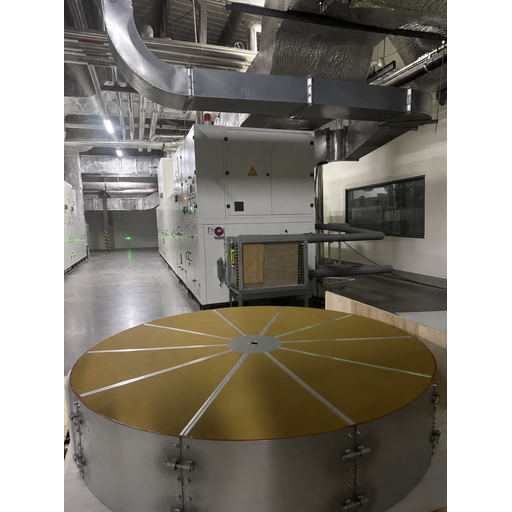
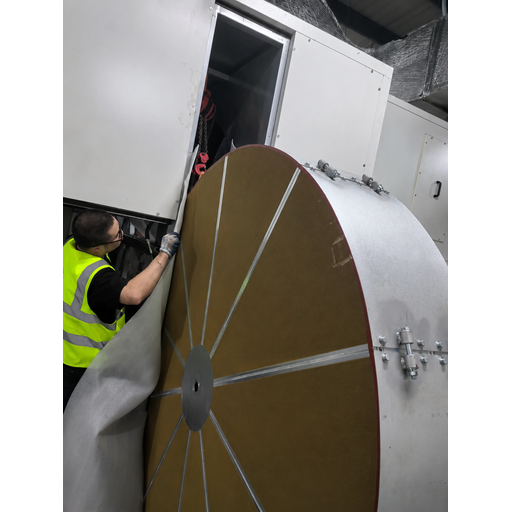
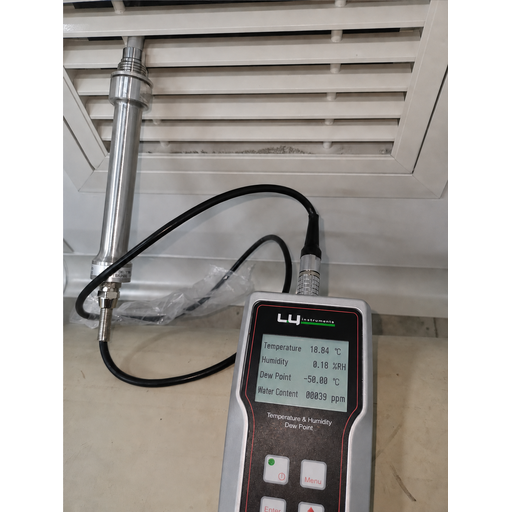
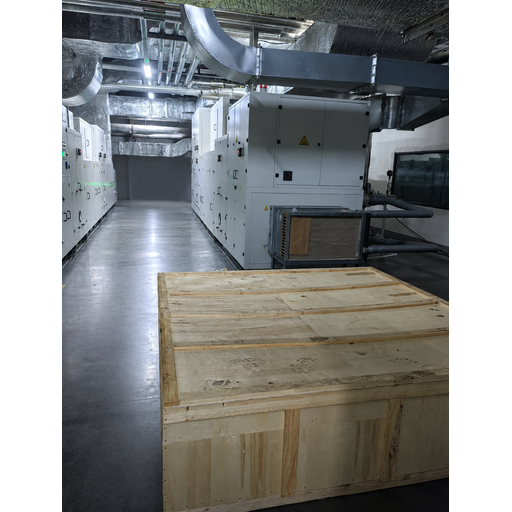
What drives the price of a rotary desiccant dehumidifier
Target Dew Point
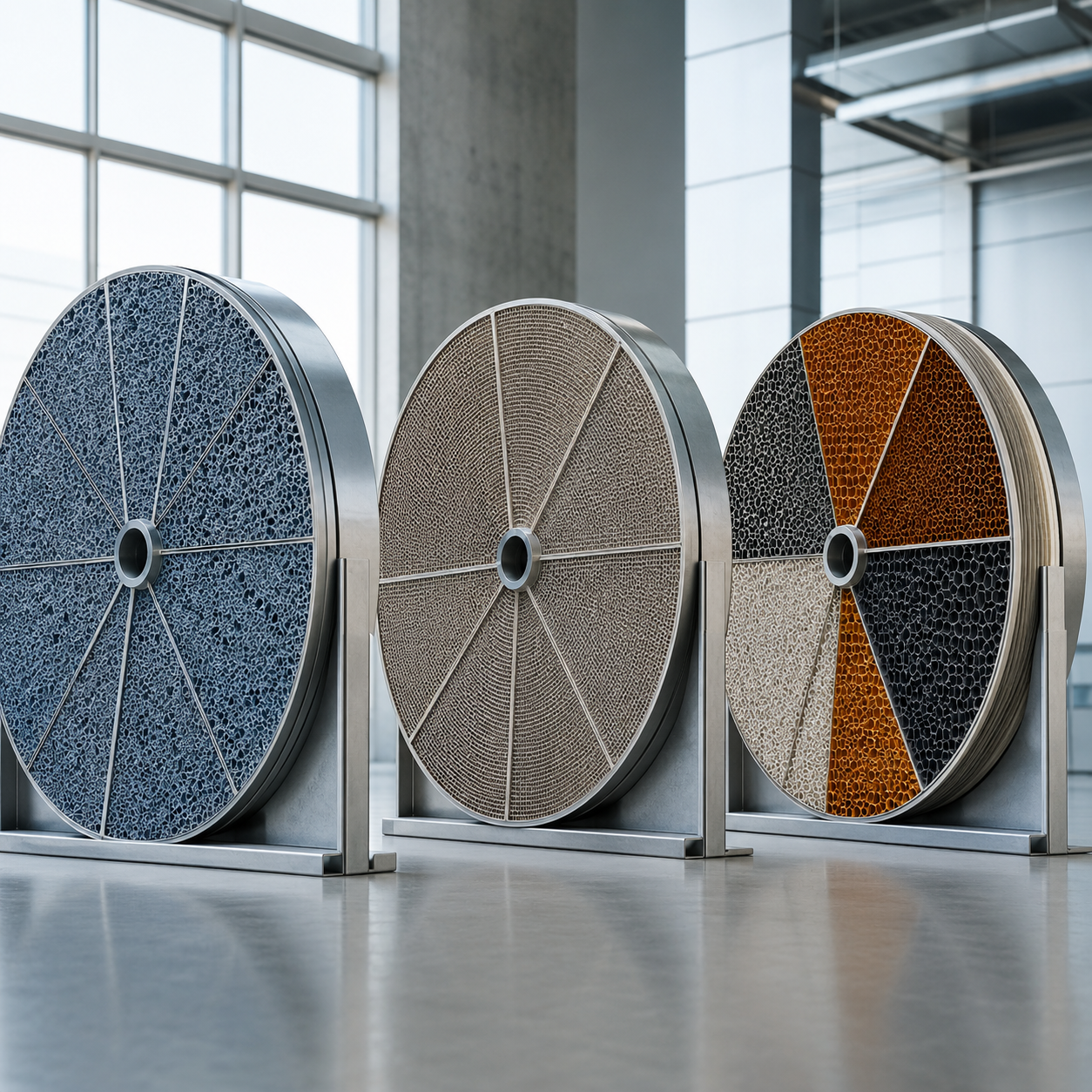
Deeper dew points need molecular-sieve/composite media and higher regen energy — the biggest single factor.
Process Airflow & Capacity
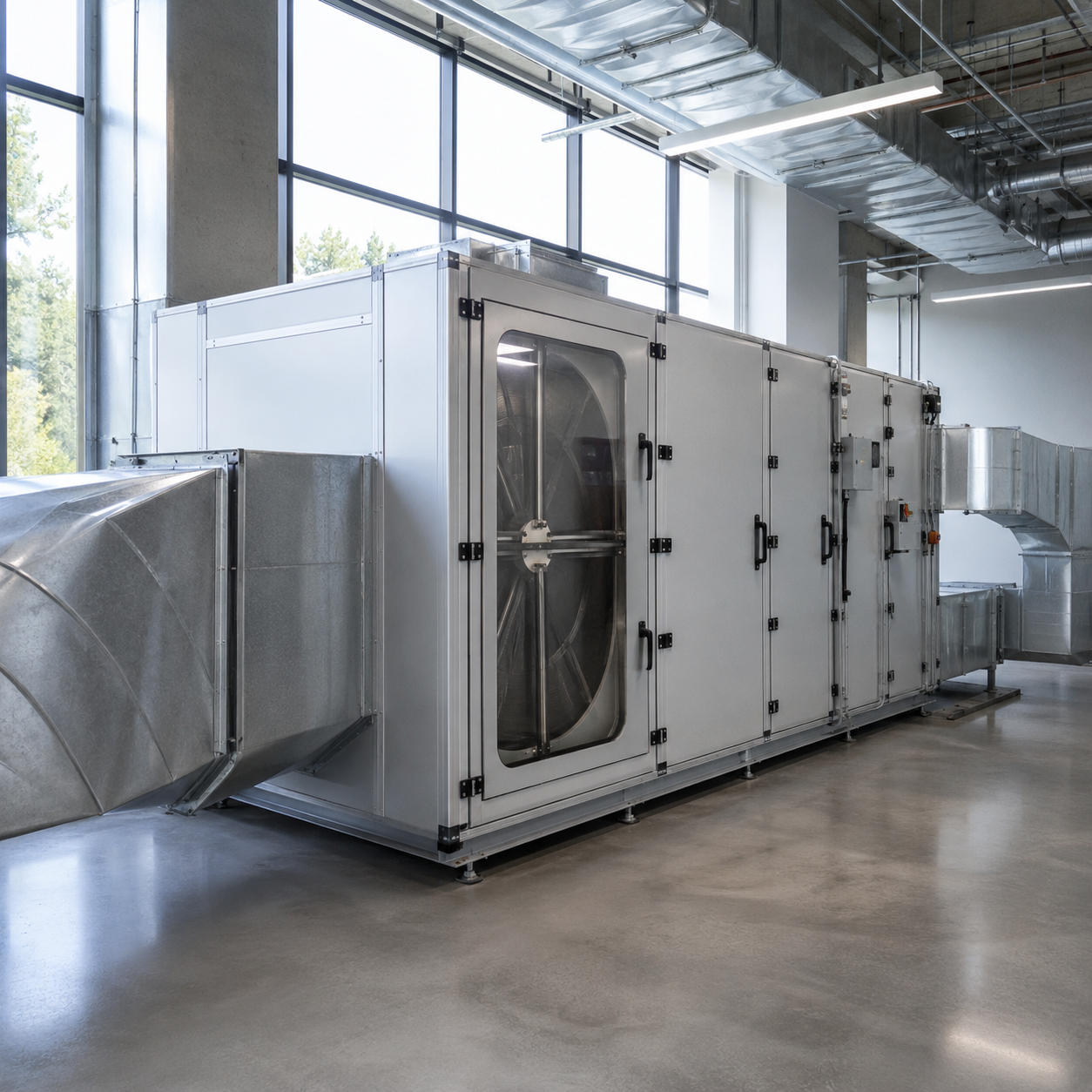
Larger m³/h means a bigger wheel, heater and fan package.
Control Grade
±0.5°C SCR/multi-point control costs more than ±3–5°C on/off.
Regen Heat Source
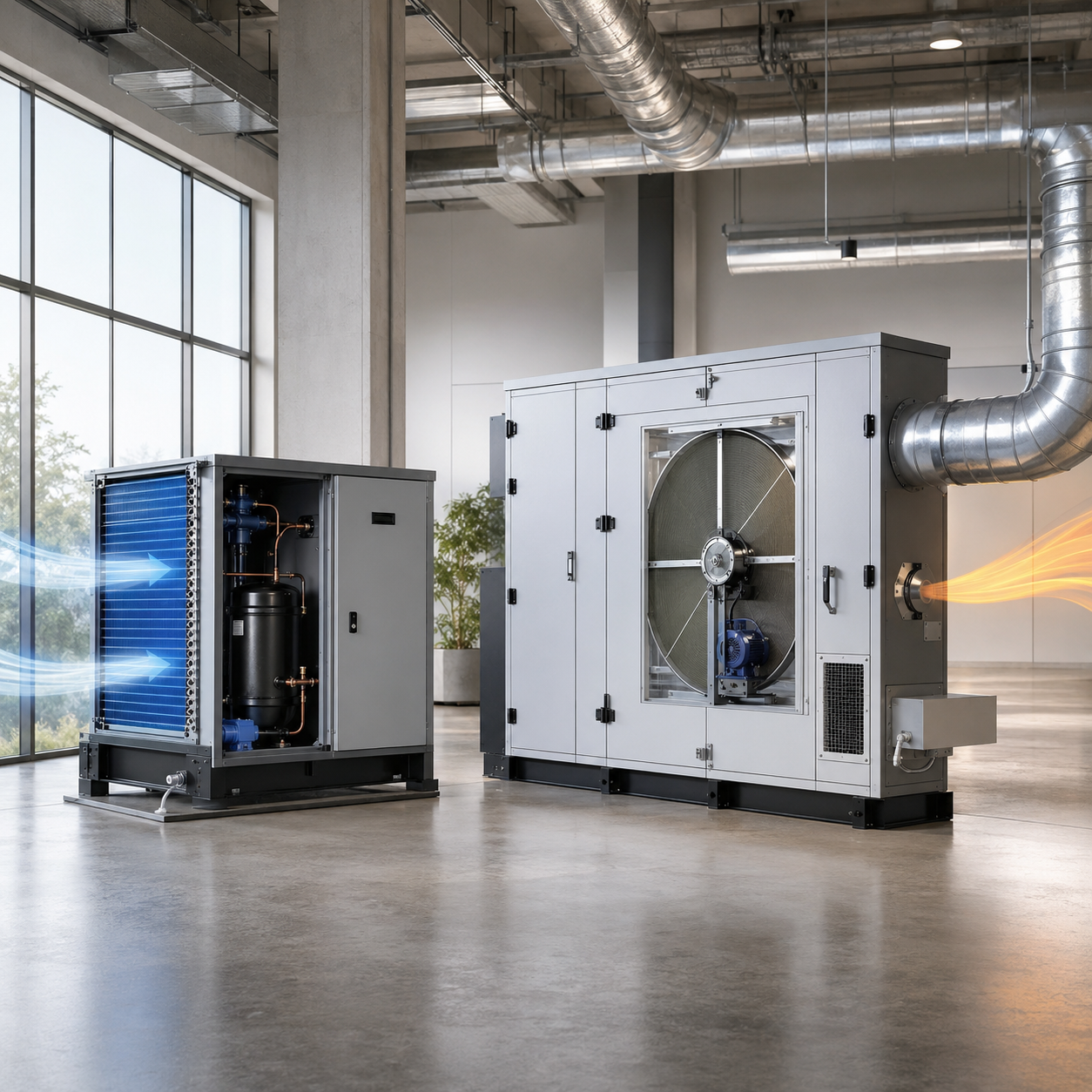
Electric vs steam vs gas, and whether waste heat is available on site.
System Integration
Pre-cooling, post-cooling and AHU integration add modules.
Certification & Destination
Market-specific listing and documentation requirements.
Regeneration is the lever that controls energy cost, but the discipline of effective use of that lever require a correct product size. Industry case studies demonstrate that accurately sizing a desiccant selection can reduce energy consumption by approximately 30%; moreover, a two-stage regeneration—removing the bulk of the moisture via low-grade or waste heat followed by a minor high-temperature finish that sharply reduce total energy consumption. This is the reason why pre-sales calculation of your moisture load informs our sizing of the heater.
What truly catches buyers by surprise is the un-quoted accessory equipment—a supplemental heater or post-cooler—that dramatically escalates the total cost of a low-priced desiccant wheel into a costly overage on top of the regeneration cost, which can comprise nearly 40% of overall operating expenses. Because our application engineers clearly communicate all factors that determine actual cost up front, our honest price quote accurately reflects your process specifics rather than a superficial headline figure, which fails to consider the resulting trade-offs. We base our production pricing on your required dew-point, airflow rate, and control specifications, including per-market compliance requirements, on every unit we build.
Reference: USPTO US20160199778A1 — desiccant system design parameters


![Cleanroom Dry Cooling Coil: How It Works [2026 Guide]](https://kovenair.com/wp-content/uploads/2026/07/cleanroom-dry-cooling-coil-guide-featured-2-150x150.png)


