Get in Touch with Koven Air Company

Industrial Chillers
Industrial Chillers Manufacturer for Commercial HVAC and Process Cooling
Koven Air designs and builds industrial chillers from 19-2,200 RT for factory, data center, hospital, business center, agricultural grow room and other cooling-load projects.
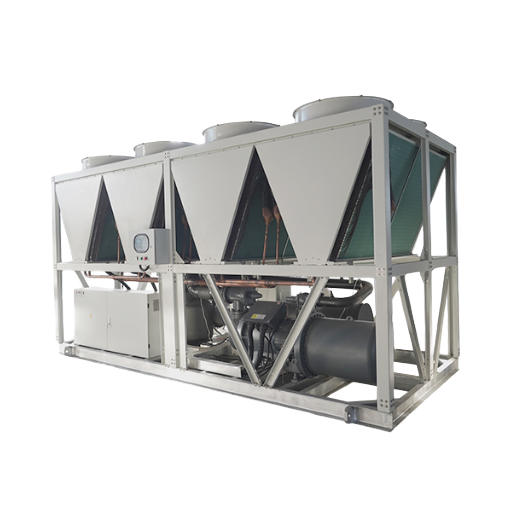
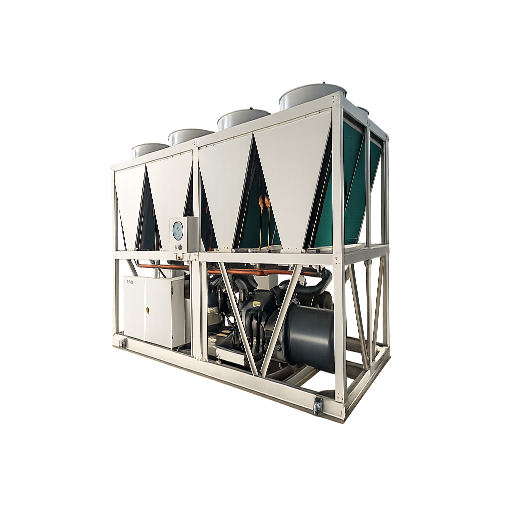
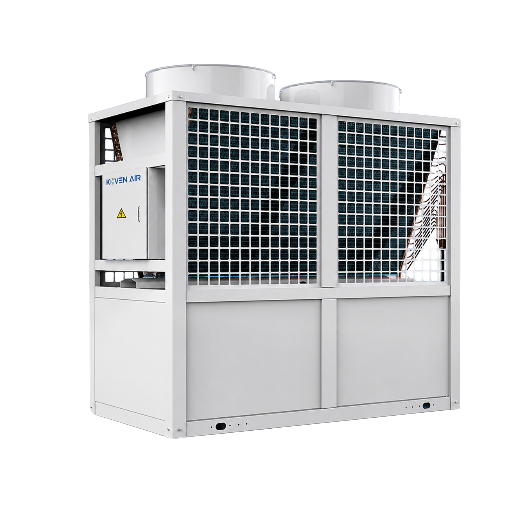
Air-cooled
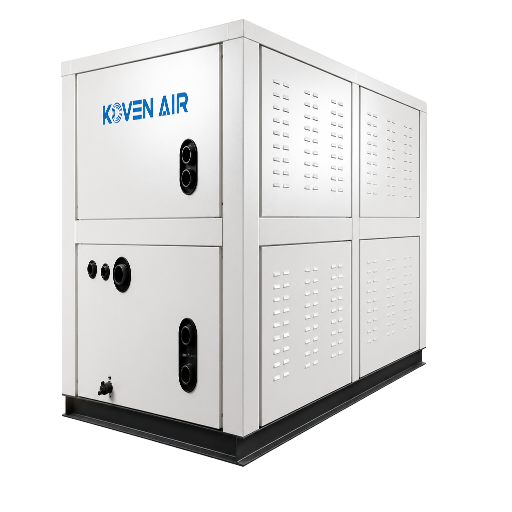
Water-cooled
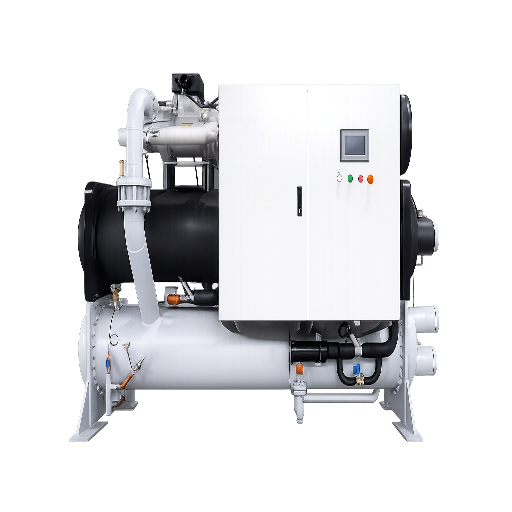
Centrifugal
Magnetic bearing
Evaporative
Modular
01
02
03
04
05
2007
Company founded
35
Countries using Koven
20,000 m²
Modern factory area
36
Inspection steps
24 h
Aging test
Industrial Chiller Systems Built Around Real Cooling Loads
An industrial chiller system should be matched to process, building profile, condenser side, maintenance access and energy target. Proper first-pass design avoids oversizing, poor part-load operation and field changes after delivery.
01
Unstable Load
Variable production facilities, data halls and grow rooms require capacity control, not just one nameplate number.
02
Wrong Heat Rejection
Water access, ambient temperatures and cooling tower limitations determine if air, water, or evaporative equipment is suitable.
03
Weak Part-Load Fit
Full-load COP only does so much for assessing the real energy profile of the plant. IPLV and load hours should be considered together.
04
Service Risk
commissioning, replacement parts, control training and warranty coverage are just as important as compressor selection.
Koven Air Industrial Chiller Range
Use these cards to move from a general industrial chillers search to a specific product page. Each path maintains homepage focus while offering engineers quick access to the correct equipment family.
01
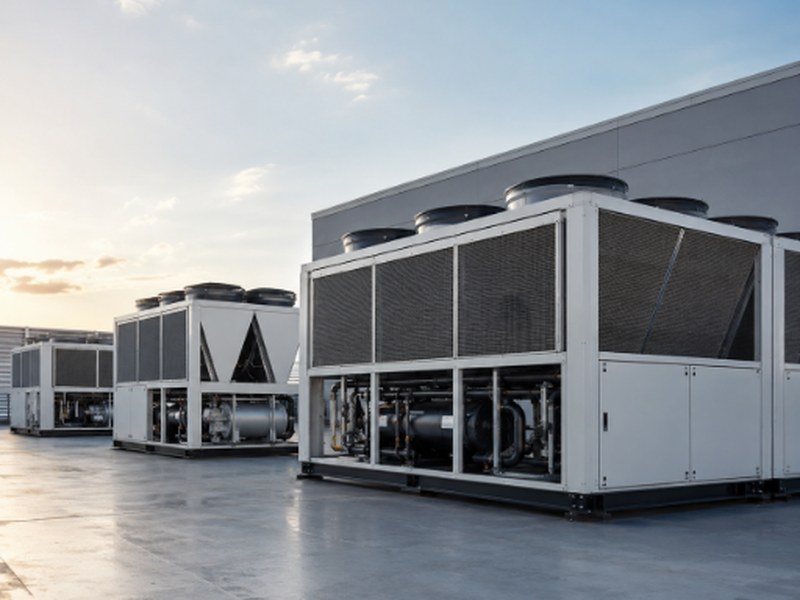
Air Cooled Chiller
30-760 RT screw models; 63-160 RT scroll models.
COP ranges of 3.23-3.35 for screw compressors and 3.25-3.28 for scroll compressors. Good fit where cooling tower water is limited.
View air cooled chillers01
02
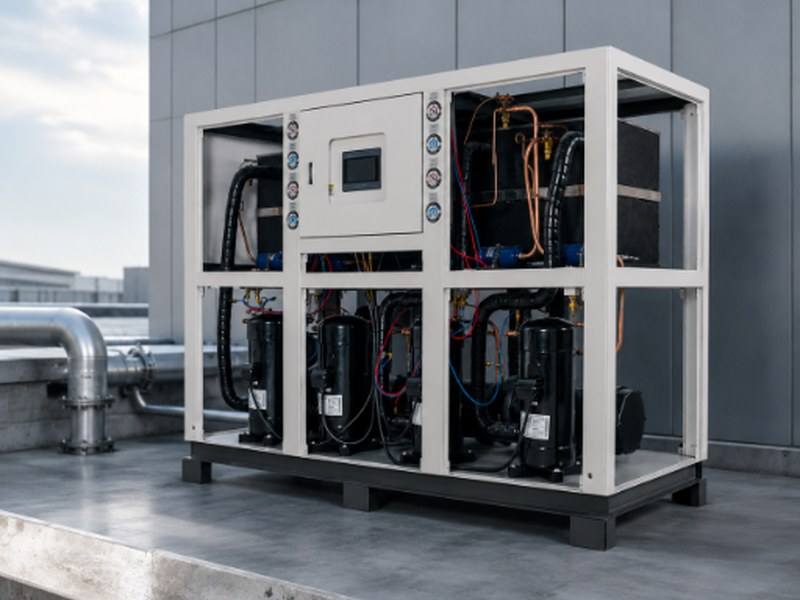
Water Cooled Chiller
Water-cooled screw range from 93-1,000 RT.
COP 5.56-5.83 and IPLV 6.8-7.8. Strong fit for central plants with cooling tower access.
View water cooled chillers02
03
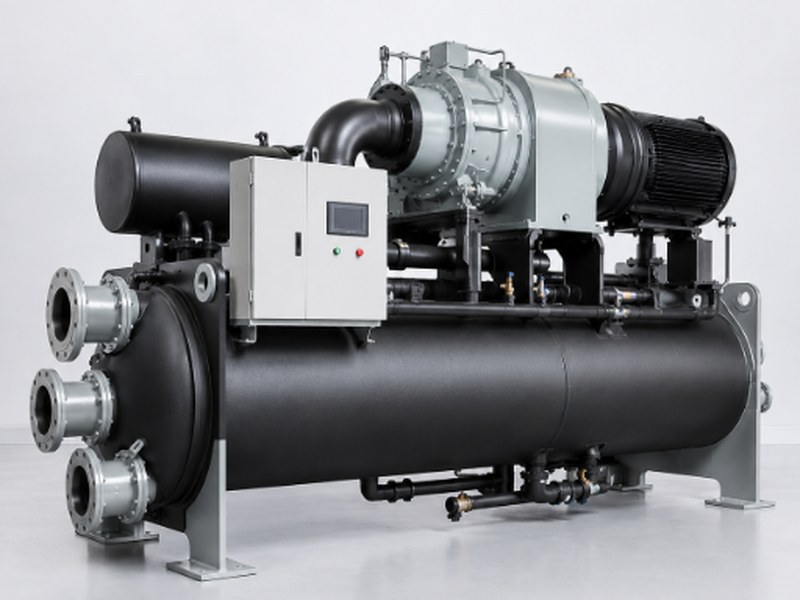
Centrifugal Chiller
500-2,200 RT capacity band for large plants.
COP 6.31-6.56 and IPLV 8.5-9.5. Used in large commercial and industrial cooling plants.
View centrifugal chillers03
04
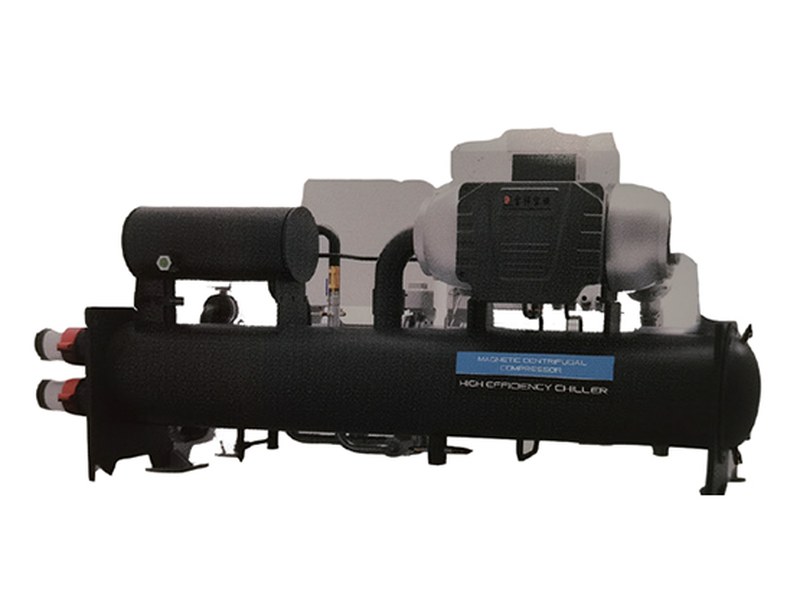
Magnetic Bearing Chiller
170-1,250 RT with COP 6.42-6.86.
AHRI-IPLV range of 10.08-11.88. Oil-free compressor path for high part-load projects.
View magnetic bearing chillers04
05
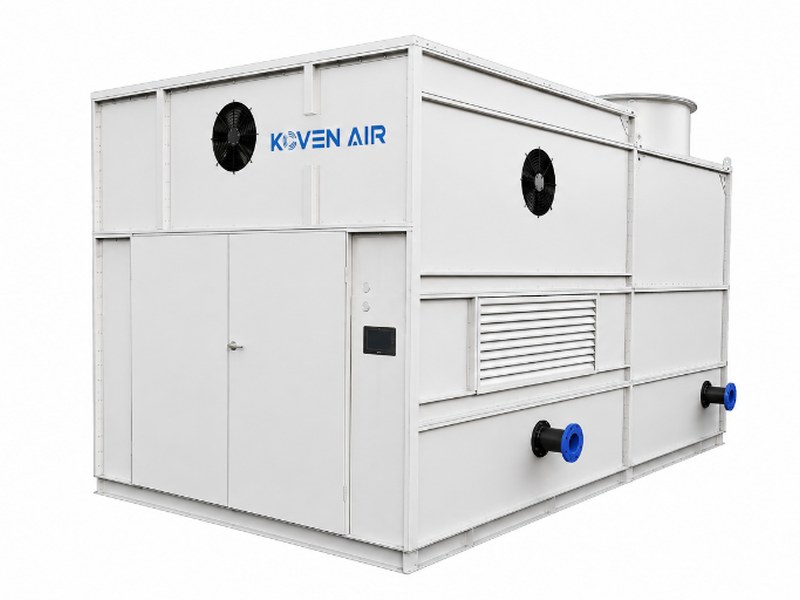
Evaporative Chiller
46-210 RT scroll and 70-1,000 RT screw options.
COP bands from 4.27-5.08. Good choice for hot-site projects where condenser performance dictates the plant price.
View evaporative chillers05
06
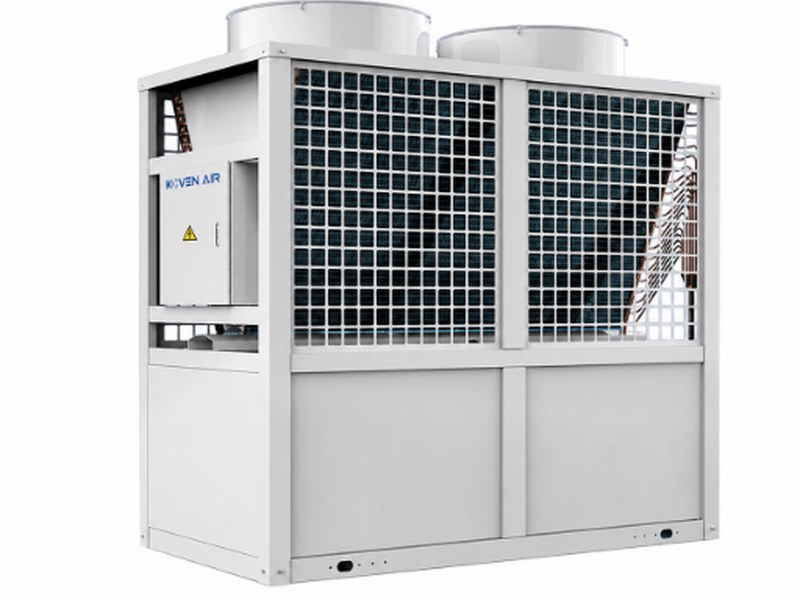
Modular Chiller
19-234 RT modular range.
COP 3.14-3.42 and IPLV 3.60-4.30. Matches staged capacity, retrofit sites and N+1 planning.
View modular chillers06
07
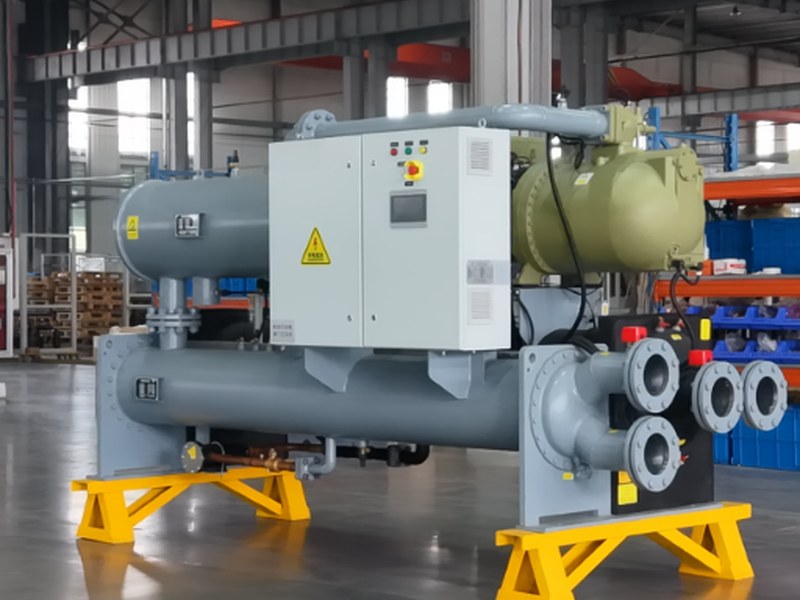
Scroll / Screw Chiller
Scroll units fit smaller modular loads; Screw units fit larger process and HVAC loads.
Choices depend on load variability, the water side, and ease of access for service.
View scroll and screw chillers07
Industrial Chiller Solutions Center
Comprehensive data to support your site’s specific condenser approach, capacity, and maintenance profile.
The 19-2,200 RT Chiller Selection Matrix
This matrix translates the Koven Air product line into an RFQ starter. Model number will depend on chilled water temperatures, condenser conditions, power source, refrigerant preference and site limitations.
Note: The matrix is a first selection guide. Koven Air reviews load requirements before final selection.
Koven Load-to-Chiller Fit Map
Air-Cooled vs Water-Cooled vs Evaporative vs Magnetic Bearing Chillers
When comparing industrial chiller models, buyers need more than a brand name. The important consideration is which condenser approach, capacity band and maintenance style will suit the site.
Compare COP and IPLV together
DOE FEMP purchase guidance recommends considering both full-load efficiency and IPLV. This advice is valid as most commercial chiller plants do not operate at maximum capacity full time.
Field Results in Data Centers, Hospitals, Factories and Controlled Facilities
Data Center: 2 x 1100 RT Magnetic Bearing Centrifugal Chillers
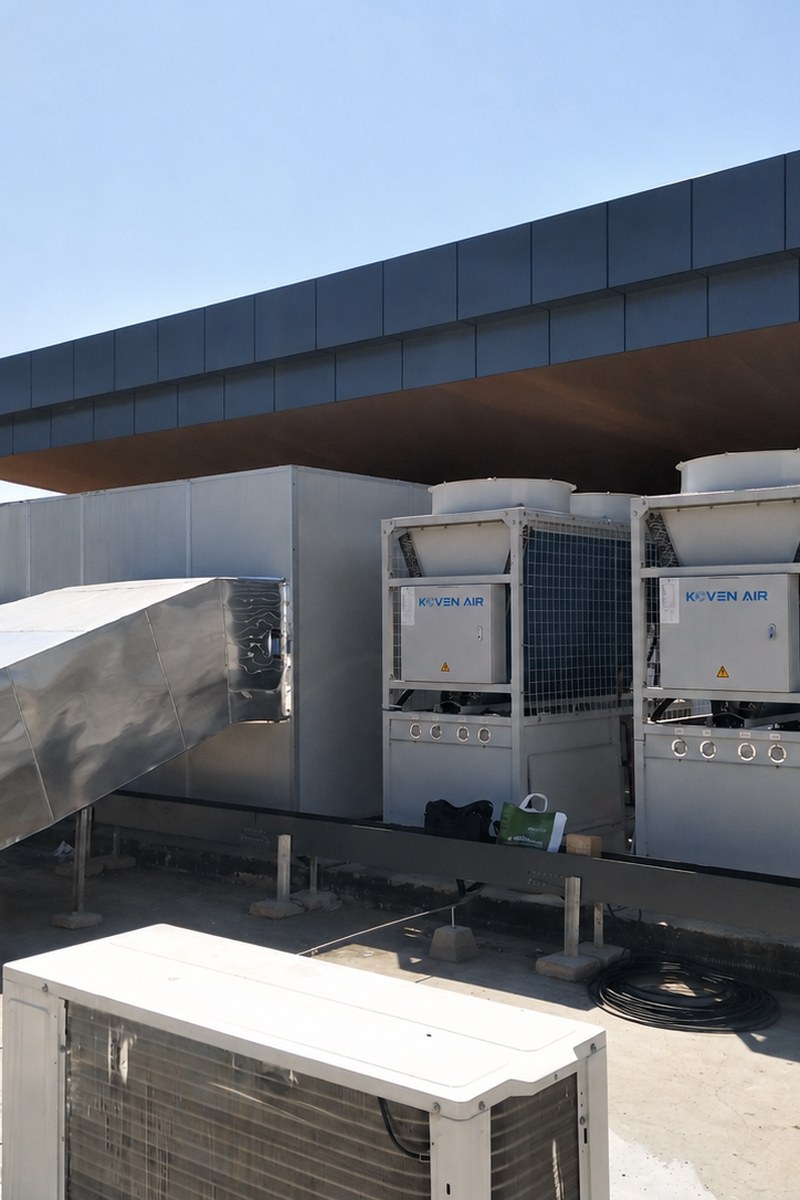
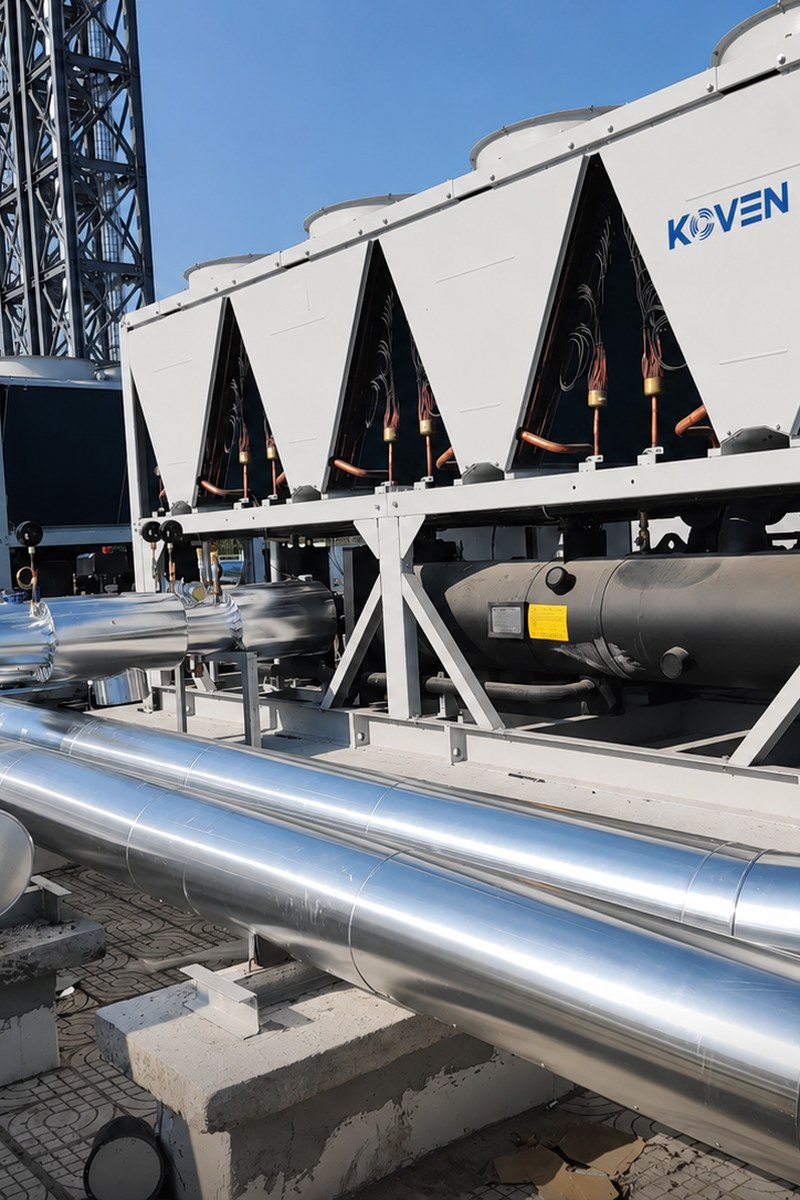
One Koven Air data center project employed two 1100 RT magnetic bearing centrifugal water-cooled chillers, model KALXCWG-1100EVT. The project record shows COP 6.83, IPLV 11.63 and modulation from 10% to 100%.
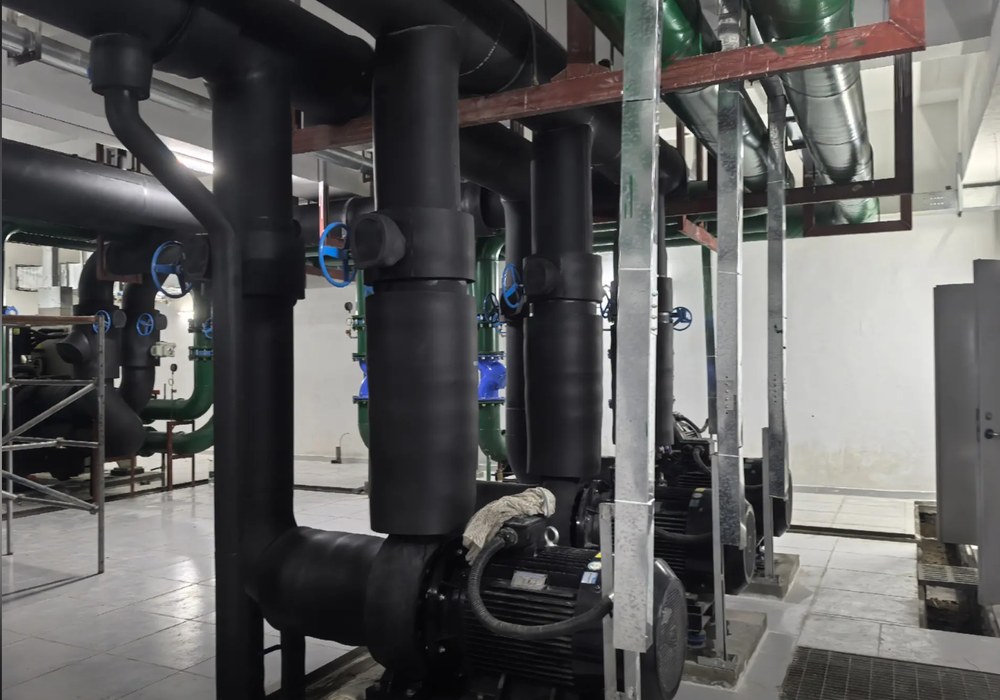
2×1100 RT
Chiller plant
IPLV 11.63
Project unit data
10%-100%
Load modulation
35%+
Reported lower cooling energy
3.6M kWh
Reported annual electricity saving
PUE 1.25
Reported project level
The listed savings figures are project-specific and derived from case study data. These values should not be considered universally applicable.
SECURE_TRACE_SYS_V2.0
Factory Verification and
Traceability Before Shipment
For international orders, product specifications are not sufficient. Koven Air provide buyers with an audit of the manufacturing process before a industrial chiller is shipped from the factory.
18
Processes
Standard production steps support repeatable manufacturing.
23
Machining Steps
Sheet-metal precision work is tracked before assembly.
Trace Points
Manufacturing process traceability follows each order.
400
36
Inspections
Factory inspection checks are completed before shipment.
01
Design & Parameter Review
The Koven Air team verifies load data, water temperatures, condenser conditions, power requirements, and site conditions prior to confirming the final model selection.
02
Modular Assembly Line
The facility’s automated assembly line uses intelligent robots for accurate sheet metal work, piping and component fitting.
03
Laboratory Testing
A professional chiller and heat pump laboratory performs equipment tests before equipment release.
04
24-Hour Aging Test
All units can undergo aging tests before shipping; testing results are saved in the order record.
Procurement Support From Load Verification to Lifetime Technical Guidance
A industrial chiller order affects multiple departments – engineering, purchasing, installation and service. Koven Air’s specialized teams focus on pre-sales, production and post-sales support, preparing each team with the information they need.
RFQ inputs that speed up model selection
Send cooling capacity, chilled-water supply and return temperatures, evaporator flow, condenser conditions, 50 Hz or 60 Hz power supply, refrigerant preference, application type and installation limits to Koven Air.
Request a QuotePre-Sales
The engineering team reviews all cooling load data, water temperatures, ambient conditions, and potential risks before confirming the equipment selection.
In-Sales
After manufacturing and testing, Koven Air provides technical assistance for on-site installation, debugging, and on-site modifications.
After-Sales
Koven Air provides lifelong technical support service for free. If any issue occurs within the warranty period, the company will handle it promptly and conducts regular training for its customers, contractors, and engineers.
Chiller System Choices Are Moving Toward Part-Load and Refrigerant Review
Selecting modern chillers has become more than just determining the cooling capacity. Customers also consider factors such as the number of hours the plant will operate at part load, the ease of service access, the preferred refrigerant path, and the overall long-term plant costs.
IPLV belongs beside COP
AHRI lists ANSI/AHRI 550/590 and ANSI/AHRI 551/591 for rating water-chilling packages and heat pump water-heating packages using the vapor-compression cycle. Ask for both full-load and part-load data during evaluation.
Low-GWP planning affects specs
EPA describes the AIM Act HFC phasedown and sector restrictions that apply to refrigerants used in air conditioning and heating equipment. Review refrigerant choices, such as R1234ze and R1234yf, early in the design process.
Maintenance is part of TCO
DOE suggests that the elimination of oil in magnetic-bearing designs can reduce the maintenance costs associated with oil-related service issues. However, this is dependent on factors such as controls setup and load profile.
Standards belong in the RFQ
Use ANSI/AHRI 550/590 for I-P rating language and ANSI/AHRI 551/591 for SI rating language when a project asks for rated chiller data. Keep ISO, local electrical code and witness-test forms separate from capacity claims.
Industrial Chiller Engineering & Evaluation Tools
01
Chiller Selection Finder
Use this first-pass finder before an RFQ. It narrows the likely industrial chiller family, then your engineer can check the actual cooling load and site limits.
Open Tool02
Chiller Efficiency Comparison Tool
Compare Koven Air chiller families with the same lens buyers use during early engineering review. COP shows full-load efficiency, while IPLV helps screen part-load behavior.
Open Tool03
Data Center Chiller Energy Check
This estimator helps a data center team frame the energy review before asking for a magnetic bearing chiller selection. It uses a project-specific 35 percent reference from supplied Koven Air case material, not a guaranteed result.
Open ToolChiller Buyer FAQ
How much does an industrial chiller cost?
The purchase price is affected by several factors, including capacity, type of compressor, condenser type, refrigerant, control features, the extent of testing required, shipping logistics, and the location of the project. Comparing a 100 RT modular chiller with a 1,100 RT magnetic bearing centrifugal chiller, you’ll find the purchasing processes differ greatly. Start by submitting the load profile, desired chilled-water temperatures, condenser limitations, power supply, and site plans to receive comparable quotes. Compare purchase prices, energy consumption, maintenance access, and the risk of a shutdown.
Which is better, air-cooled or water-cooled chillers?
Air-cooled chillers are ideal for installations without access to tower water. If you already plan to install and maintain a tower, water pumps, and water treatment systems, water-cooled chillers can offer significant energy savings.
How do I choose between screw, scroll, centrifugal and magnetic bearing chillers?
Scroll chillers are suitable for smaller cooling loads and modular staged plants. Screw chillers are widely used in industrial and commercial chiller system applications in both medium and high-capacity ranges. Centrifugal and magnetic bearing chillers are best suited for large central plants, with magnetic bearing chillers being particularly effective in situations where part-load efficiency and oil-free compressor operation are essential.
What chiller type is best for a data center?
Data center owners prioritize reliable operation, consistent chilled-water supply, precise control at part load, and ease of maintenance. Koven Air has provided a two-unit installation of 1100 RT water-cooled magnetic bearing centrifugal chillers to a data center facility. The selection should be based on redundancy requirements, condenser water conditions, controls, power quality, and a clear local service plan that aligns with the PUE target of the facility.
What is the difference between a commercial chiller and an industrial chiller?
A commercial chiller often serves comfort cooling, whereas an industrial chiller may be used for production process, data room cooling, cold storage, or controlled agriculture.
Do magnetic bearing chillers use oil?
Magnetic bearing chillers suspend the compressor shaft using magnetic force, eliminating the oil system found in many traditional compressors. This feature, along with the reduction in oil-related maintenance, is highlighted by DOE as a benefit of magnetic bearing technology. However, to ensure proper functioning, the facility still needs a skilled controls technician, consistent water quality, stable power, and appropriate commissioning. An oil-free compressor cannot compensate for an inadequate plant design.
What information is needed for chiller sizing?
When selecting a chiller, you should begin by providing the required cooling capacity, the desired inlet and outlet water temperatures, ambient design conditions, the process fluid being cooled, the available power supply, site elevation, and the permissible equipment footprint. Next, provide the annual load profile, the desired redundancy level, refrigerant preferences, and any local service restrictions. Koven Air can assist in reviewing this information before making a model selection.
Does Koven Air provide installation and commissioning support?
Yes. Koven Air can send qualified technicians to the site to provide installation guidance and troubleshooting assistance. Any issues encountered within the warranty period are promptly addressed.

![Cleanroom HVAC Systems: ISO Classes & Design Guide [2026]](https://kovenair.com/wp-content/uploads/2026/07/cleanroom-ahu-pharma-biotech-guide-featured-2-150x150.png)