Get in Touch with Koven Air Company

ISO Certified Facility
Desiccant Dehumidifiers
Desiccant Dehumidifiers for Industrial and Commercial Humidity Control
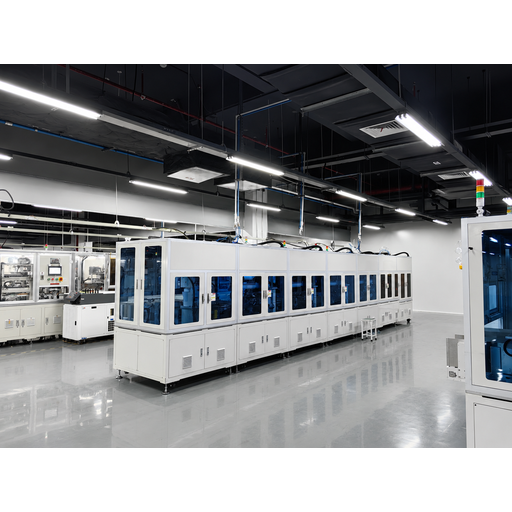
Custom-designed Koven Air desiccant dehumidifiers support low-humidity rooms, process air, ice rinks, storage, clean production and lithium battery dry rooms where moisture control affects yield, corrosion, condensation and downtime.
- 1,500-30,000 m3/h KSD packaged process airflow range
- 18-25 C listed KSD outlet air temperature band
- 15-45% RH listed KSD outlet relative humidity band
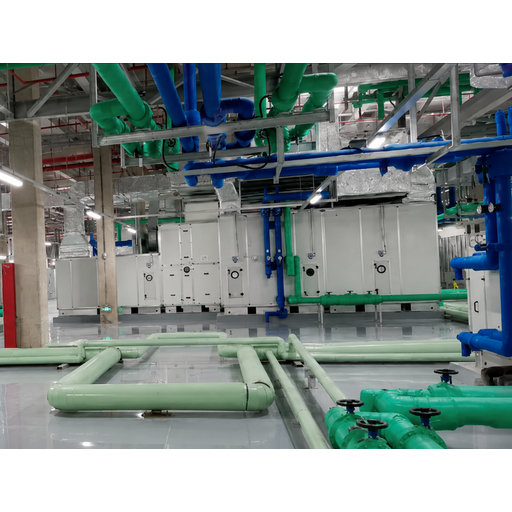
TEMP_CHK
FLOW_RATE
[ KSD SERIES ]
SYS_SYNC
[ OPTIMIZED ]
DRY_OUT
[ HIGH YIELD ]
PWR_STBL
[ SYS ONLINE ]
Data 01
35
Countries using Koven Air productsData 02
36
Factory inspection points in brand briefData 03
24-hour
Aging test before shipment in brand briefWhen Moisture Control Becomes a Production Risk
There’s a common misconception that a larger dehumidifier fixes everything. On the field, the actual problem is typically smaller – the source cause can be found in process air moisture load, infiltration, low surface temperature, room pressure, regeneration heat or the cooling-adsorption split.
+
Condensation and corrosion
Ice rinks, cold rooms, water-side mechanical rooms and storage areas will fail if their dew point is too close to the cold surfaces. ASHRAE recognizes desiccants as one method where hygroscopic materials or the risk of corrosion or condensation justifies its use. Koven Air approaches this as an engineering application rather than a catalog item.
+
Low dew point production
Battery rooms, electronics, semiconductor fabrication, powder processing, textile manufacturing and chemical processing areas often suffer because they’re designed with water vapor considered as simply comfort humidity. However, it’s not always cost-effective to have the lowest dew point duty. Airflow for reactivation, airflow exhaust, sensible heat gain and post-cooling affect power consumption.
+
Commercial facility uptime
Plant operators often experience visible condensation, wet floors, or products that cake and mold long before they consider the psychrometric issue. Koven Air will project-verify with the customer before production to match the selected commercial desiccant dehumidifier to their site conditions, ducted air handling and access.
We do not treat a desiccant dehumidification system as a single-box purchase. First, confirm inlet humidity ratio, process airflow, reactivation method, cooling source and acceptance measurement. That trade-off puts engineering time up front; the payback is fewer site changes after shipment.Koven Air Engineering Team
+
Buyer-language signals from research
Engineers do not treat desiccant as mainstream commercial equipment in every project; they ask who specifies it, which manufacturers are credible, and how the unit will be tested after installation. Low dew point, high air-change, battery, healthcare and ice-rink projects are practical signals that this is not ordinary comfort dehumidification. Buyers ask whether systems should be in series or series-parallel when uptime, redundancy and actual room size make a single-unit answer risky.
+
Buyer advisory
Mistakes made in desiccant dehumidification usually represent a system design flaw, not an individual unit defect. To ensure the right selection, simply provide your room volume, target dew point or relative humidity, design outdoor conditions, process moisture load, ventilation air volume, recirculation air percentage and your available utilities.
Koven Air Product Options for Desiccant Dehumidification Systems
We present this product line as four practical design approaches: rotary type, packaged commercial units, liquid-desiccant evaluation and lithium battery dry rooms. Product distinctions come from process airflow, reactivation airflow, cooling-coil load and the control system.
Rotary Desiccant Dehumidifier
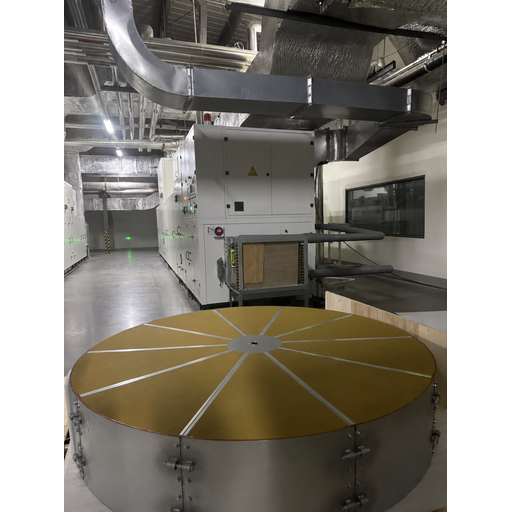
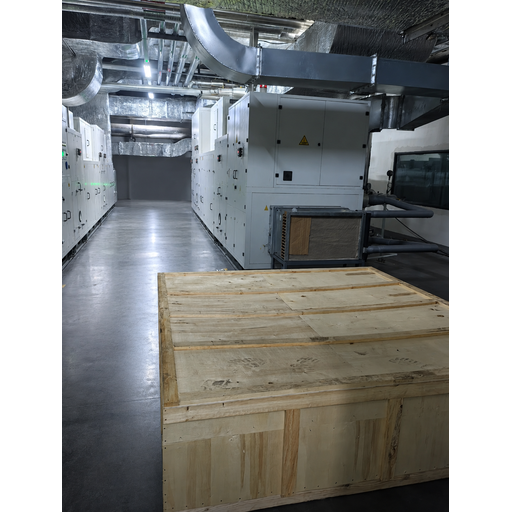
For those applications where a desiccant wheel dehumidifier, with a rotor adsorption section, a regeneration air supply and the required low dew point control is the central design component. Koven Air engineers this rotor assembly based on the process airflow, required regeneration air temperature, pressure drop through the system, and post-cooling.
Local information covers the rotary cases and includes considerations on regeneration temperature, control accuracy and comparative properties of the rotor materials.
View Rotary Product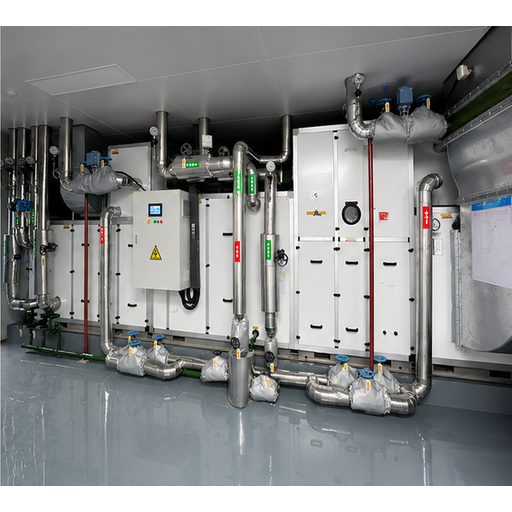
Commercial Desiccant Dehumidifier
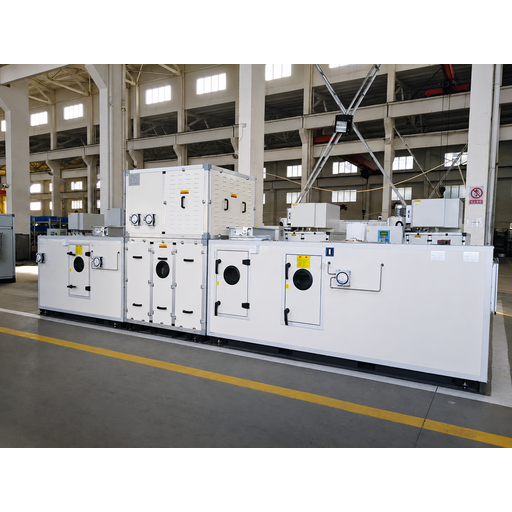
KSD-D/Q-B/Z packaged units integrate a desiccant rotor, medium efficiency filter, front and rear cooling coils, and process/supply fans for commercial and industrial applications including ice arenas, swimming pools, storage and low-humidity rooms.
Koven local tables specify 1,500-30,000 m3/h process airflow and 18-25 °C, 15-45% RH outlet air under standard operating conditions.
View Commercial Product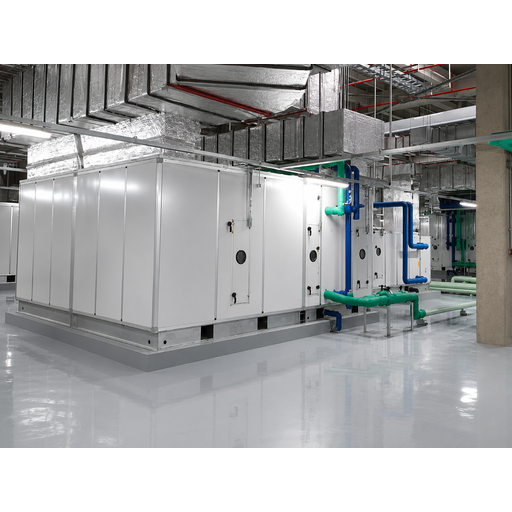
Liquid Desiccant Dehumidifier
Liquid desiccant systems use a solution, conditioning circuit and regeneration loop in lieu of a solid rotor. ASHRAE separates solid from liquid desiccant systems; confirm whether this path will be pursued in the quote process before making site-specific capability statements.
If pursuing liquid systems, the accurate answer is always “it depends”: a liquid desiccant dehumidifier can be part of the conversation in ventilation, energy recovery or low-temperature discussions, but Koven Air can’t declare a solution match without verifying the solution pathway against your air stream and available utilities.
View Liquid Product Route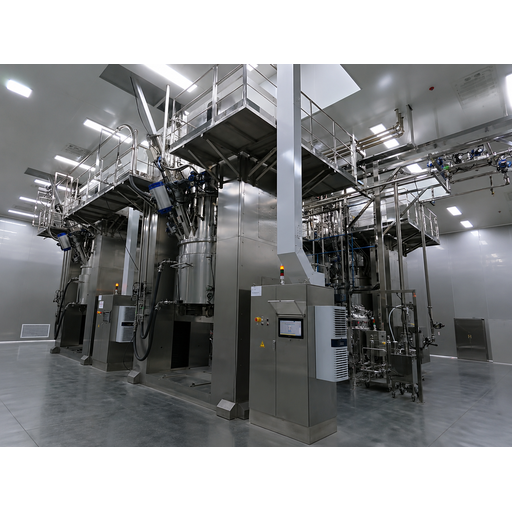
Lithium Battery Dehumidifier
For battery production dry rooms, injection rooms and moisture-sensitive environments, the DOE/OSTI dry-room model references humidity below 100 ppm, a 16,000 m3 space and an approx. 400 kW base-case energy demand. That is why energy recovery and make-up air handling must be priced together with the target dew point.
Koven local literature includes dry-room dew points down to -75°C on select low-dew point configurations; however, the rotor, airflow and room load must still be verified on final selections.
View Lithium Battery Product| Route | Best Fit | Selection Data To Confirm | Buyer Risk If Skipped |
|---|---|---|---|
| Rotary desiccant | Low dew point, process air, dry air supply | Rotor type, process airflow, reactivation air, regeneration heat source, outlet dew point | Higher energy cost or outlet temperature rise than expected |
| Commercial packaged | Ice rinks, pools, warehouses, storage areas | Room volume, fresh air, return air, cooling source, surface temperature, duct static pressure | Condensation risk remains even after a larger unit is installed |
| Liquid desiccant | Evaluate when solution circuit, ventilation load or heat recovery is part of the project | Desiccant solution path, carryover control, regenerator heat source, maintenance plan | Wrong technology path if treated like a solid-wheel dehumidifier |
| Lithium dry-room | Battery dry rooms, injection rooms, ultra-low humidity rooms | Dew point target, room leakage, make-up air, personnel load, heat recovery, measurement points | Meeting dew point but missing the operating-cost target |
The Dew Point Project Readiness Screen
The Dew Point Project Readiness Screen isn’t a sizing model. Instead, it’s an intake form designed to facilitate initial engineering discussions on factors influencing moisture removal capacity, the specific heat load of the regeneration system, and required outlet conditions.
Engineering note:
ANSI/ASHRAE Standard 139-2025 details testing procedures for heat-regenerated desiccant dehumidifiers, focusing on their moisture removal capacity and energy efficiency. ASHRAE notes that both dew point and capacity are subject to variation based on the specific equipment used, the type of desiccant, entering air conditions, and regeneration methodology. Performance in adsorption applications depends on the characteristics of the entire air stream rather than a single humidity parameter.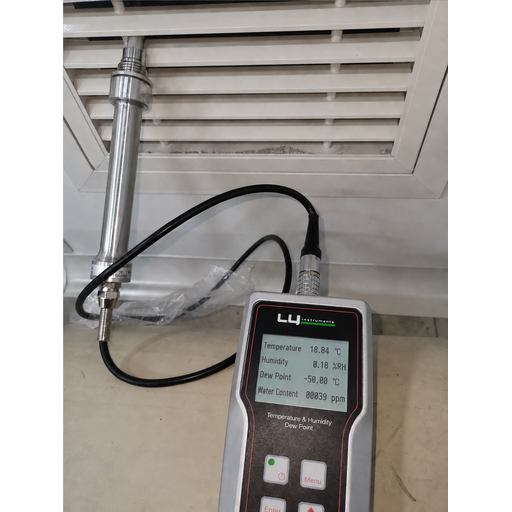
| Readiness variable | Why it changes the system | What to send before quote |
|---|---|---|
| Target dew point or RH | Below normal comfort range, the design may shift from cooling coil duty to adsorption plus post-cooling. | Target dew point, target RH, allowable tolerance, acceptance method |
| Process airflow | Koven KSD packaged units list 1,500-30,000 m3/h; lithium dry-room materials list higher CMH ranges for selected systems. Capacity and static pressure must stay together. | Supply air volume, return air ratio, fresh air volume, duct layout |
| Reactivation method | Electric, steam, hot water or recovered heat changes regeneration air temperature, exhaust air, safety interlocks and power consumption. | Available utilities, maximum heat source temperature, exhaust route |
| Cooling source | Chilled water and direct expansion routes change coil capacity, leaving air temperature and sensible heat gain. | Chilled water temperature, condenser location, outdoor design condition |
| Room leakage and pressure | A low-dew-point room can fail because infiltration load exceeds the dehumidifier selection basis. | Room size, door cycles per hour, personnel count, pressure target |
| Filtration and maintenance | Filter resistance, wheel pressure drop and desiccant fouling affect airflow and long-term dew point control. | Dust load, filter grade, service access, maintenance interval |
| Measurement plan | Commissioning fails when the buyer measures RH at one point but the process requires dew point at another. | Sensor location, data logging interval, acceptance window |
Desiccant Wheel Dehumidifier, Cooling Coil or Hybrid Staging?
In certain circumstances, it’s beneficial to start with a commercial desiccant dehumidifier when target humidity, low temperature, latent load, or process risks render a cooling-only solution unstable, overly large, or costly to reheat.
| Method | Where it fits | Watch item | Evidence boundary |
|---|---|---|---|
| Cooling coil only | Moderate dew point, warm return air, manageable latent load | Reheat penalty, coil freezing margin, supply air temperature | ASHRAE describes refrigeration and desiccant as methods that are often combined for lower dew point duty. |
| Solid desiccant wheel | Low dew point, low-temperature operation, hygroscopic product protection, dry air processes | Reactivation energy, outlet temperature rise, wheel pressure drop | EnergyPlus models regeneration energy by entering air, humidity ratio and process velocity. |
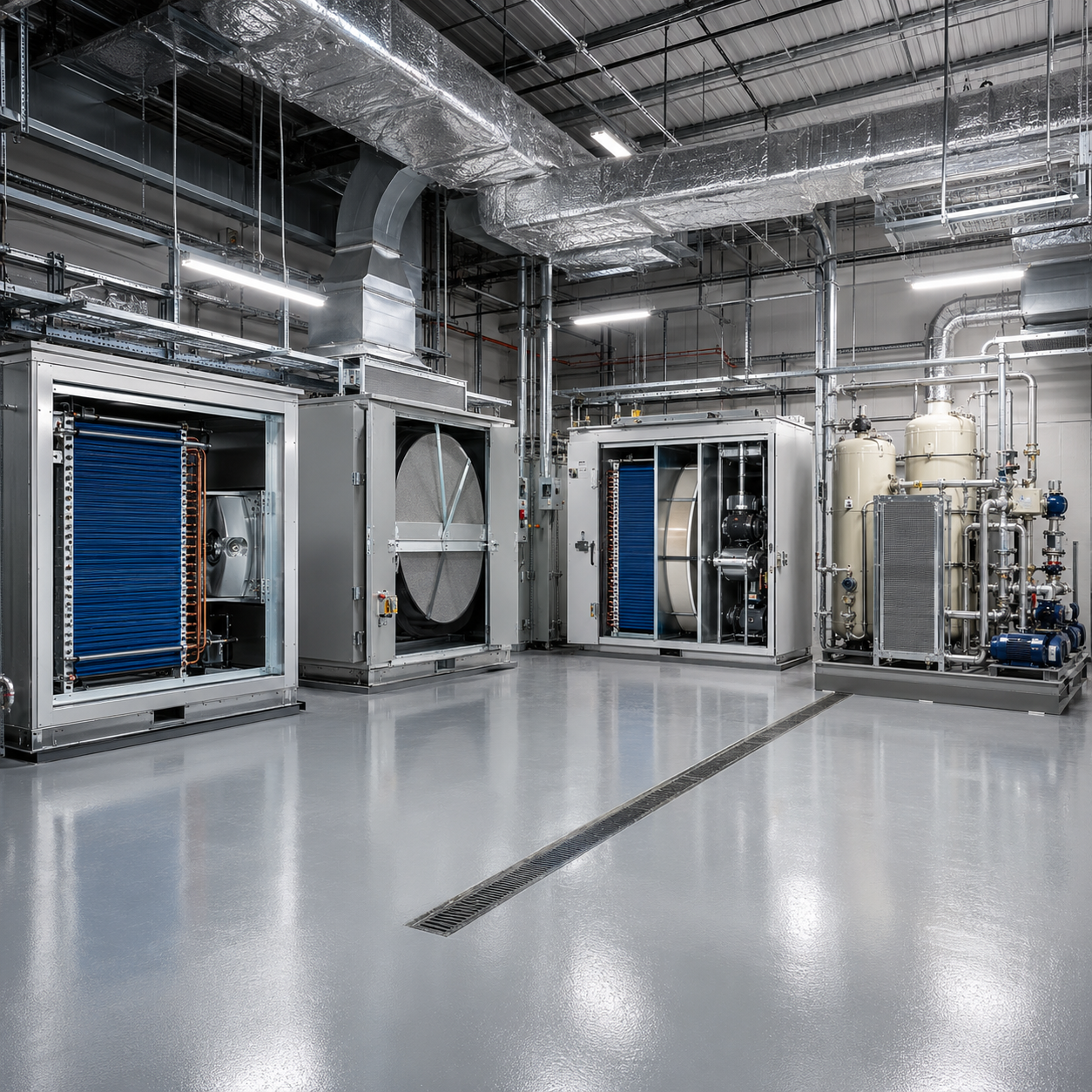
| Hybrid coil + wheel | High fresh air load, ice rink, battery dry room, process production with strict dew point | Control sequence, post-cooling load, heat recovery path | Koven ice-rink materials compare traditional airflow near 86,313 m3/h with an improved 36,103 m3/h solution using chilled dehumidification, rotary desiccant and condenser heat recovery under that case context. |
| Liquid desiccant | Projects evaluating solution-based conditioning, ventilation load or energy recovery | Solution carryover, regenerator design, corrosion control, maintenance | HPAC discusses liquid-desiccant modules as a distinct approach; Koven fit must be confirmed per project. |
Bronze ROI Claim
This page doesn’t make a blanket energy savings guarantee. User materials contain specific heat-recovery and low-temperature rotor comparisons under specified simulated conditions and external literature suggests the outcome depend on factors such as heat-recovery efficiency, make-up air conditions and control strategy. A more honest way to phrase that would be: Koven Air clearly defines the trade-off upfront before providing an estimate.
ROI tier: Bronze due to Ahrefs’ competitor backlinks / brand- radar evidence being ignored per customer agreement, and because the claimed energy savings depend on specific case conditions rather than broad generalizations.
Search intent boundary
Consumer or rental search contexts such as Amazon and Herc Rentals were included along with specialist manufacturer context such as CDI and Munters. That mix is a yellow flag: these pages can help interpret customer language and climate-related search intent, but they do not provide an efficient specification benchmark for engineered desiccant dehumidification.
It may sound counterintuitive to the customer, but the least expensive dehumidifier may not always be the most effective solution, especially if it leads to increased reheat load, negative room pressure, or frequent maintenance. Koven Air offers a range of support including customized design, 24-hour burn-in testing, and post-installation technical assistance to verify the equipment, ducted system and control logic prior to shipping and during operation.
Case-Led Applications for Low-Humidity Spaces
System design should be driven by the application. A lithium-battery dehumidifier, an ice rink’s industrial-scale unit and an industrial-air process unit all rely on similar rotor technologies, but each has a unique risk profile, proven performance data and an associated energy trade-off.
Ice rink anti-condensation duty
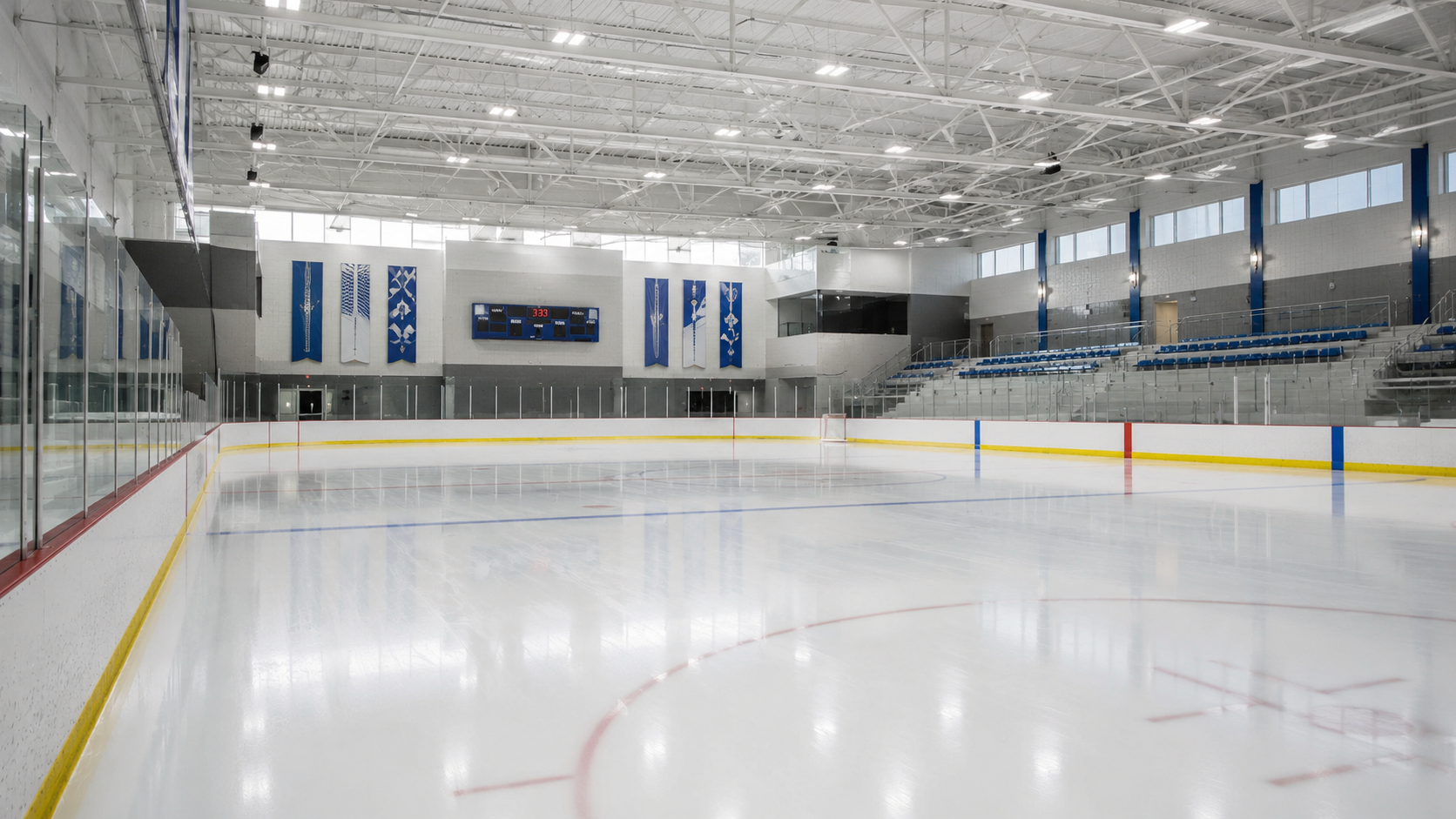
A case study from Koven’s local area documents an ice rink: ~5,217 square meters, a 30 x 60 meter ice surface and a target of 24 degrees Celsius with 50% RH in non-winter months. Challenge includes more than just visible mist: condensation on ice, air comfort, corrosion and the maintenance of consistent dry air over the surface are all considerations.
A common thought process is that increased airflow is the answer. In the Koven case study, the design prioritizes chilled dehumidification, rotary desiccant drying and condenser heat recovery over simply blowing more air through the system. Engineering then follows the actual room and ice-surface loads.
For an ice-rink application, request a specific application review with ice temperature, ice surface area and required supply-air parameters. In this scenario, what differentiates a solution is not always the largest fan; it is the trade-off among airflow, reheat, dry air stability and support throughout factory commissioning.
Lithium battery dry rooms
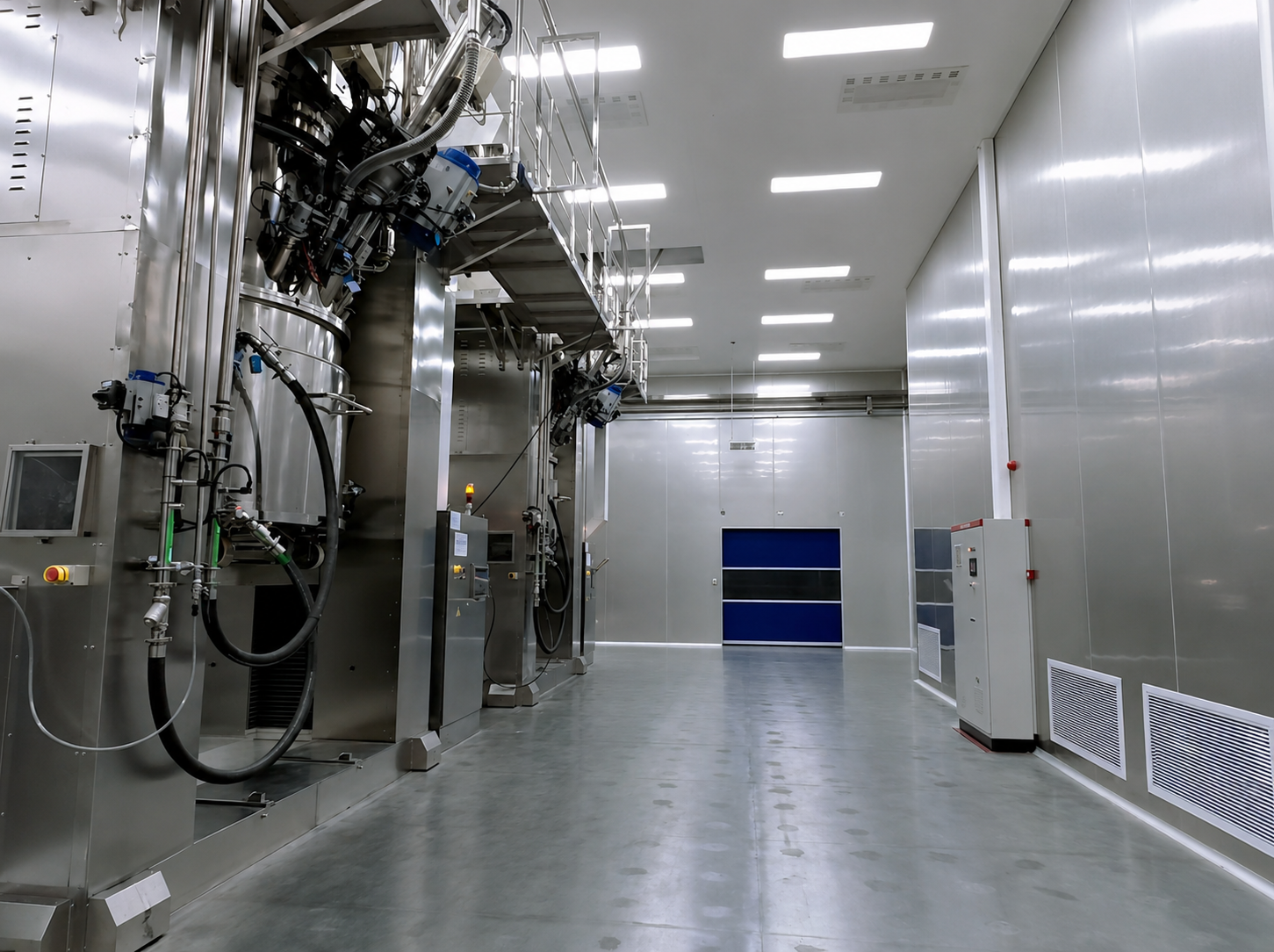
In terms of research literature, DOE/OSTI reports have published on lithium-ion dry rooms that achieve less than 100 ppm moisture and model up to 16,000 m3, while Koven’s local documents describe dry room dew point specifications below -30°C and certain system components below -75°C within the context of a specific product’s design capabilities.
Low dew point matters in dry rooms, but it is not the sole determining factor in a design. Make-up air, regeneration heat recovery, pressure control, door cycling, people load, sensor placement and downtime risk must all be priced before a lithium-battery dehumidifier solution is approved.
Industrial process and storage
Process-industry materials indicate that a reduction in incoming moisture levels can increase the moisture-carrying capacity of drying air. This matters for food processing, textiles, electronics, machinery manufacturing, grain storage and other facilities where moisture vapor can compromise product integrity.
Application examples include hospitals, business centers, industrial parks, mushroom farms, grain silos, gyms, libraries, air carriers, textile plants, machine factories, car plants, data centers and computer rooms. Differentiation isn’t just a generic catalog item, it’s matching dry air to process risk.
Application note
A cold room, battery dry room and storage warehouse are not the same humidity control challenge. Load sources change: infiltration, product moisture, fresh air, process water, people, door openings and duct leakage do not scale proportionally. During pre-quote engineering, Koven Air keeps the system sized from site data.
Factory QA, Custom Engineering and Commissioning Support
Buying from a manufacturer less familiar than major international brands can feel risky. This gap is addressed through factory process visibility, verified selection, inspection, aging tests and after-sales engineering support.
2007
Company founding year in brand brief
35 countries
Koven Air export footprint in brand brief
20,000 m2
Factory area as stated in brief
18 processes
Standardized production process count
400 traceability
Manufacturing process tracking count
24-hour
Aging test before shipment
Pre-sales Verification
Online project design review and parameter calculation are available before the unit is built. The trade-off is that you provide more data upfront; the gain is fewer sizing errors and clearer acceptance requirements.
Factory Production and Test
Brand materials list integrated production with 23 steps of sheet metal machining, intelligent robot assembly, 36 quality inspections and a dedicated chiller/heat pump test facility. Koven Air keeps selection and factory quality assurance in one checked process.
Commissioning and After-sales
Our technical team provide on-site installation and debugging guidance when needed, along with free technical guidance for life, and frequent training for engineering contractors and engineers. We’ll be there for you after the equipment has shipped.
Procurement Note
A procurement trap is buying commercial desiccant dehumidifier equipment based solely on the model number. Even with high factory quality control, final acceptance rests on field measurements, clean filters, sufficient regeneration heat, and correct control settings. Insist on a selection basis in the quote popup, not just an equipment list.
Desiccant Dehumidifier Engineering Tools
Dew Point Project Readiness Screen
Use this intake screen before asking for a desiccant dehumidification system quote. It does not replace engineering sizing; it identifies the route and missing data.
Access Tool →KSD Airflow Model Selector
Match a first-pass KSD packaged desiccant dehumidifier range from the supplied Koven airflow tables. Final selection still needs inlet air, moisture load, static pressure and utility checks.
Access Tool →Cooling, Desiccant or Hybrid Staging Comparator
Compare first-stage fit before requesting a quote. Scores are advisory and use engineering logic from the page: target dew point, low-temperature risk, fresh-air load and heat-recovery availability.
Access Tool →FAQ for Commercial Desiccant Dehumidifier Buyers
These questions address concerns found during keyword research, SERP analysis, buyer discussions and Koven application materials. Each answer is based on verified data and routes back to engineering review when process variables can affect the final result.
When is a commercial desiccant dehumidifier worth it?
It may be considered at low dew point, low temp, condensation, corrosion, moisture product, dry-room operation, high latent load and a cooling-only system would lead to consequences. Often the main driving factor is downtime – wet floor, poor humidity control, caking, mist or a sensitive moisture product lost. Not always the cheapest to operate, but Koven Air calculate the regeneration energy, after cooling, the heat recovery and the process airflow.
What is the difference between a desiccant wheel dehumidifier and a cooling-coil dehumidifier?
A desiccant wheel picks up the moisture, and the reactivation air strips that water from the wheel. A cooling coil extracts moisture by cooling the air below the dew point of water. “Lower dew point duty typically couples both systems,” says ASHRAE.
How do I size a desiccant dehumidification system?
Start with the desired dew point or RH, room volume, outdoor design condition, fresh air volume, leakage, process moisture load, process airflow, utilities and acceptance sensor location. Basing everything on floor area is an error. For instance, 500 m2 of floor area can require one type of equipment for an office and another for a lab with door cycles, fresh air and a low-temperature load. Koven Air checks calculations before manufacture, and the engineering team can examine your project through the sizing request popup.
Can Koven Air support lithium battery dry rooms?
Yes. Lithium battery dry-room support is a defined product route, and local materials include low-dew-point dry-room systems. Every dry room still needs make-up air, leakage, personnel load, heat recovery, sensor placement and calibration verification checks. External dry-room research indicates that energy consumption can be large, so cost control belongs in the first review, not after equipment purchase.
Is liquid desiccant the same as rotary desiccant?
No. Liquid desiccant uses a solution circuit. Rotary desiccant uses a solid wheel or rotor. Because ASHRAE treats them as separate approaches, Koven Air verifies the technology path before making project claims.
What KSD specifications are available from Koven materials?
KSD-D/Q-B/Z Packaged Units Equipment & Controls Selection Tables and Direct Expansion Data – 2-35 Process air volumes from 1,500 to 30,000 m 3/h. Listed outlet air condition 18 – 25 C and 15 – 45% RH on the condition of specified inlet & operating conditions. For the direct expansion table, the cooling capacity range from 26.5 to 405kW, and the chilled water use based on a 7 C chilled water. These are listed for selection purposes only and shouldn’t be considered binding. If your application involves unusual inlet conditions, duct static pressure, cooling source, or process moisture load, additional analysis may be required.
What information should procurement send first?
Submit Room size, condition target, moisture loading, airflow, duct static pressure, utilities and acceptance method. For Ice rink / Lithium dry rooms, surface temp, door cycles and room pressure target.
What makes Koven Air different from a catalog-only supplier?
Support includes custom solution review, factory production, 36 inspection points, 24-hour aging test, installation and debugging guidance, and after-sales technical service. More important, Koven Air keeps the selection basis visible: inlet condition, process airflow, reactivation heat source, cooling source and acceptance method can be reviewed before the commercial desiccant dehumidifier is built.

![Cleanroom HVAC Systems: ISO Classes & Design Guide [2026]](https://kovenair.com/wp-content/uploads/2026/07/cleanroom-ahu-pharma-biotech-guide-featured-2-150x150.png)